A Reimagined Approach to Adolescent Recovery
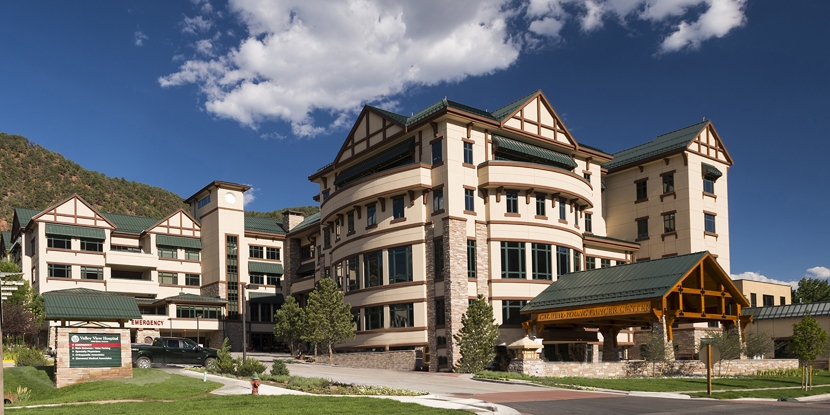
Originally established in 1987, the Youth Recovery Center (YRC) at Valley View has been thoughtfully reimagined to reflect decades of advances in addiction science and adolescent behavioral health treatment. Reopening in 2026 as a highly structured ASAM Level 3.5 residential program, the YRC provides specialized treatment for adolescents inside Valley View Hospital in Glenwood Springs, Colorado. For thousands of years, the Native Ute people came to this unique area for its immense healing potential, calling the thermal mineral springs "Yampah"—or "Big Medicine." Today, the YRC honors that legacy by combining nationally recognized clinical expertise with compassionate, individualized care in a supported healing environment.
We specialize in treating co-occurring substance use and behavioral health disorders, recognizing that true healing requires addressing both conditions together.
We combine nationally recognized clinical expertise with compassionate care to help young people heal, build resilience, and achieve lasting recovery.
Located within Valley View in Glenwood Springs, Colorado, YRC combines nationally recognized clinical expertise with compassionate, individualized care in a supportive healing environment. Our team helps young people heal, build resilience, and achieve lasting recovery.
Our Approach
Treating the Whole Person
Recovery is more than addressing substance use. Our approach is rooted in understanding, not judgment. We look beneath the surface to explore the life experiences and trauma that may have led to these challenges, or other behavioral health conditions that may impact substance use.
Our evidence-based, trauma-focused program looks beyond symptoms to understand the biological, psychological, and social factors contributing to a young person’s struggles. We partner closely with patients to design individualized treatment plans tailored to their unique strengths and goals. Because lasting recovery relies on a strong support system, our multidisciplinary team works collaboratively with patients, families, schools, and referral partners to ensure success during treatment and far beyond.
At YRC, we believe lasting recovery is built through a combination of clinical care, supportive relationships, meaningful experiences, and strong family engagement. Our multidisciplinary team works collaboratively with patients, families, schools, and referral partners to support successful outcomes during treatment and beyond.
Program Highlights
- ASAM Level 3.5 Residential Treatment
- Six-bed residential treatment with private bedrooms
- Trauma-focused, evidence-based care
- 20 total hours of therapeutic programming weekly
- Family therapy
- Individual therapy
- Trauma-Focused Cognitive Behavioral Therapy (TF-CBT)
- Seeking Safety Curriculum: A treatment for PTSD and Substance Abuse
- Nicotine cessation group
- Psychoeducational therapy groups
- Daily therapeutic recreation
- On-site school Monday through Friday
- Extensive aftercare program involving family and referral partners
- Recovery support groups
- Psychiatric services
- 24-hour nursing coverage
- Physician Assistant available weekly to manage health needs
Admissions and Referrals
YRC serves adolescents ages 15 through 18 (up to their 19th birthday) with co-occurring substance use and behavioral health disorders who require a higher level of care than outpatient treatment can provide.
Referrals are accepted from healthcare providers, behavioral health professionals, schools, courts, community agencies, and families.
YRC accepts Medicaid and other insurance plans. Our admissions team will work with families and referral partners to verify benefits, explain coverage, and guide them through the admission process.
ASAM Dimensions of Care: Admissions decisions are guided by the American Society of Addiction Medicine (ASAM) Criteria to help ensure each patient is matched to the most appropriate level of care.
To learn more or make a referral, call 970.384.8460 or email this referral form to meghan.backofen@vvh.org.
Staff
- Medical Director
- Program Director
- Psychiatrist
- Clinical Manager
- Licensed Therapists (LPC, LPCC, LMFT, MFTC, LCSW, LSW, CAS, CAT, LAC)
- Nurse Supervisor
- Registered Nurses
- Special Education Teacher
- Child Life Specialist
- Behavioral Health Advocates
Dimension 1: Intoxication, Withdrawal, and Addiction Medications
- Intoxication and Associated Risks
- Withdrawal and Associated Risks
- Addiction Medication Needs
Dimension 2: Biomedical Conditions
- Physical Health Concerns
- Pregnancy-Related Concerns
- Sleep Concerns
Dimension 3: Psychiatric and Cognitive Conditions
- Active Psychiatric Symptoms
- Intellectual and Developmental Concerns
- Trauma Exposure and Related Needs
- Psychiatric and Cognitive History
Dimension 4: Substance Use-Related Risks
- Likelihood of Engaging in Risky Substance Use
- Likelihood of Engaging in Risky SUD-Related Behaviors
Dimension 5: Recovery Environment Interactions
- Ability to Function Effectively in Current Environment
- Safety in Current Environment
- Support Current Environment
- Educational Needs
- Cultural Perceptions of Substance Use
Dimension 6: Person-Centered Considerations
- Patient Preferences
- Family Preferences
- Barriers to Care
- Need for Motivational Enhancement