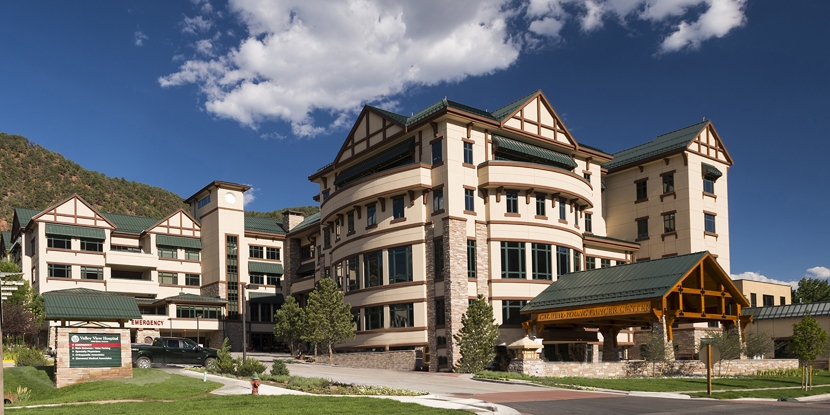
Calaway•Young Cancer Center in Glenwood Springs, CO treats an array
of malignant diseases, including lung or respiratory cancer. The human
respiratory system is responsible for taking in oxygen as we inhale and
releasing carbon dioxide as we exhale. The main organs of the respiratory
system include the lungs, which their primary function is to carry out
the exchange of oxygen and CO2 as we breathe. According to the American
Cancer Society (ACS), lung cancer is one of the most common types of cancer
in the United States and the leading cause of deaths among both men and
women. Every year, more individuals die from lung cancer than colon, breast,
and prostate cancers combined.
Types of Lung Cancer
There are two main types of lung cancers:
Non-small lung cancer has three subtypes, including adenocarcinoma, squamous cell carcinoma,
and large cell carcinoma. According to the ACS, non-small cell lung cancer
makes up about 85% of lung cancer cases in the United States.
Small cell lung cancer is less common but occurs almost exclusively in chain-smokers. This type
of cancer makes up about 15% of lung cancer cases.
What Causes Lung Cancer?
The cause of lung cancer is unclear, but we do know it begins with a mutation
of cells within the respiratory system. These cells can also affect other
components of the respiratory system, such as the bronchial tubes, larynx,
trachea, and alveolar walls.
Risk Factors for Lung Cancer
While the exact cause of lung cancer is not fully understood, certain factors
can increase the risk of developing the disease. Smoking is the leading
risk factor for lung cancer, although people who have never smoked can
also develop the disease. Additional risk factors include exposure to
secondhand smoke, radon gas, asbestos and other environmental toxins,
air pollution, radiation exposure to the chest, and a family history of
lung cancer. Understanding your risk factors can help you make informed
decisions about screening and your overall health.
Symptoms of Lung Cancer
Typically, signs and symptoms of lung cancer are not evident in its early
stage but become noticeable in its advanced stage.
These symptoms may include:
Chronic cough
Coughing up blood
Shortness of breath or trouble breathing
Chest pain
Hoarseness
Unexplained weight loss
Lung Cancer Treatment Options
Our state-of-the-art cancer care facility is fully equipped with the latest
tools and technologies for the treatment of lung cancer in men and women.
We also feature an infusion therapy wing that has a beautiful view of
the Rocky Mountains. Our treatment options include chemotherapy, immunotherapy,
and radiation. The treatment form selected will depend on the stage, size,
and location of cancer, including your personal preferences and recommendation
by our cancer team.
Dependable Care
The Calaway•Young Cancer Center is proud to be serving the men and
women of Colorado with extraordinary care, locally. We work effortlessly
to ensure that you are given the attentive, personalized care that you
deserve. Our team is here to stand by your side every step of the way
and can also connect you with cancer support groups so you can receive
encouragement from others who understand what you are going through.
Call us today at
(970) 384-7570 to learn more about our lung cancer treatment options