Staying Healthy During Wildfire Season
- Category: Roaring Fork Family Practice
- Posted On:
- Written By: Mason Wheatley
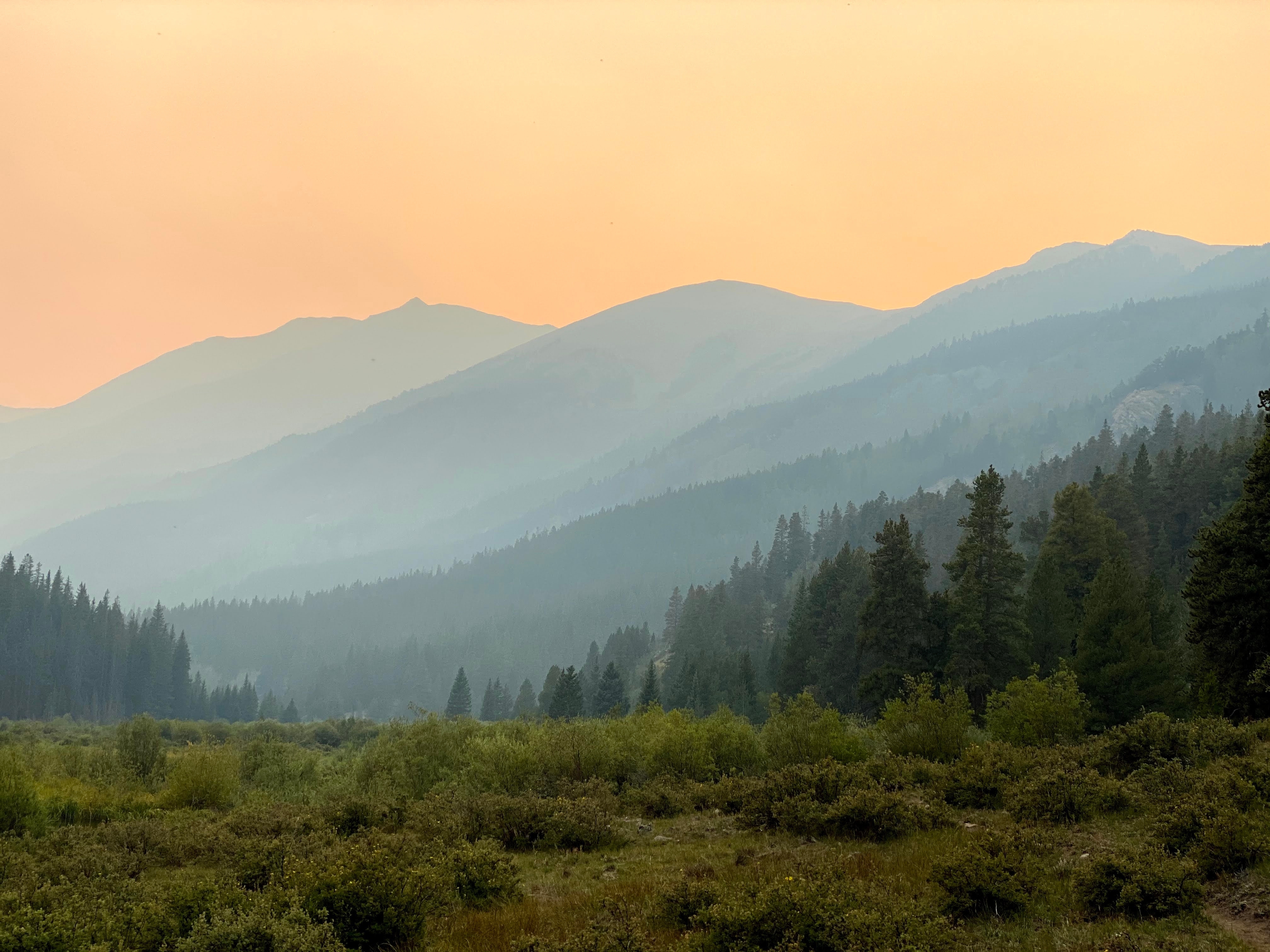
Wildfire season in Colorado can feel overwhelming and unpredictable. While evacuation plans and emergency alerts are essential, protecting your health is just as important—even when fires aren’t burning close to home.
“It’s easy to recognize the danger when a fire is nearby,” says Michael Goralka, MD, FAAP, FACP, family medicine physician at Valley View’s Roaring Fork Family Practice. “What’s harder is realizing how much wildfire smoke—even from far away—can impact your lungs and heart.”
Shifting weather patterns can bring heavy wildfire smoke from hundreds of miles away, meaning poor air quality can appear with little warning. Wildfire smoke contains a mixture of harmful air pollutants, including tiny particles that can travel deep into the lungs and even enter the bloodstream, leading to significant health impacts.
For the average healthy person, smoke exposure can cause symptoms such as eye, nose and throat irritation, coughing, headaches, fatigue and shortness of breath. For others, the health effects can be more serious.
Who is at Greater Risk During Wildfire Season?
Wildfire smoke affects everyone, but some people are more vulnerable and may experience more severe symptoms, including:
- Older adults
- Children
- Pregnant women
- People with heart or lung disease, including asthma or COPD
People who fall into one of these groups should exercise extra caution this wildfire season. Smoke exposure can worsen existing respiratory conditions, trigger asthma attacks and even increase the risk of cardiovascular events, including heart attack and stroke.
Wildfire Smoke and Exercise Don’t Mix
Living in the Roaring Fork Valley, where recreation opportunities are endless, it can be tempting to stay active outdoors—even on smoky days. Typically, exercise is one of the best things you can do for your health. On smoky days, however, it can drastically increase the amount of pollution you breathe into your lungs.
“During exercise, you’re breathing faster and deeper,” explains Dr. Goralka, “When smoke is in the air, your lungs are taking in far more harmful particles than usual. I advise people to limit exercise outdoors when air quality is poor.”
How to Protect Yourself from Wildfire Smoke
The most effective way to protect yourself during wildfire season is to minimize smoke exposure as much as possible:
- Stay indoors: Keep windows and doors closed when smoke is present.
- Use air purifiers: High-quality air purifiers or air conditioners with HEPA (high-efficiency particulate air) filters can significantly improve indoor air quality.
- Skip outdoor exercise: Stick to indoor workouts to limit exposure to pollution.
- Reduce smoke in your car: Keep windows closed and run your car’s A/C in recirculate mode to reduce smoke intake from outside.
- Wear an N95 mask outdoors: If you must be outside, a certified, well-fitted N95 respirator can provide more protection against smoke exposure.
- Track air quality and stay informed: Check reliable online tools regularly to monitor wildfire activity and air quality before heading outside.
Wildfire season is challenging, but awareness and taking necessary precautions can go a long way in protecting your health.
If you experience coughing, shortness of breath, chest tightness, dizziness or fatigue during smoky conditions, don’t ignore it. See your primary care provider if symptoms develop and call 911 right away if you experience severe breathing trouble or chest pain.
Dr. Goralka is currently seeing new patients for primary and pediatric care at Roaring Fork Family Practice in Carbondale and Willits. visit https://www.vvh.org/roaring-fork-family-practice/ or call 970.963.3350.