Living Well as You Age: Practical Tips for Lifelong Vitality with Dr. Williams
- Category: Primary Care, Internal Medicine
- Posted On:
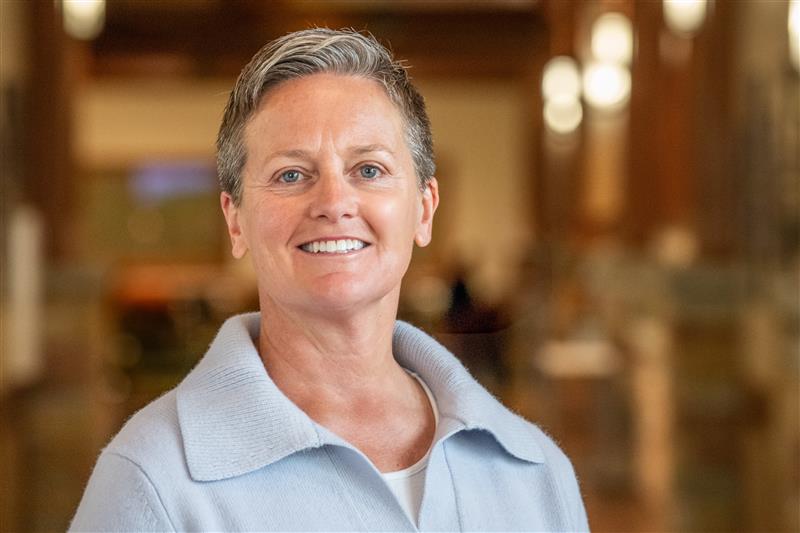
What does vitality mean for our health? For Susan Williams, MD, internist at Valley View’s Internal Medicine, the answer brings to mind favorite quote from author Maya Angelou:
“My mission in life is not merely to survive, but to thrive.”
Quality of life isn’t just about how long we live; it’s about how well we live. In her presentation for the Valley View University Women’s Health Series, Dr. Williams outlines key health challenges women face as they age and the practical steps they can take to lower these risks and support lifelong vitality.
Watch Dr. Williams’ full presentation here: https://youtu.be/TSuPWqMWxwA?si=leptss3IJJRiSq_X
Here are five takeaways from Dr. Williams’ presentation.
Why is metabolic health essential for vitality?
Metabolism is the process by which we take in nutrients and break them down for use in the body. Good metabolic health helps the body use energy efficiently, maintain a healthy weight and reduce risk of disease.
When someone experiences metabolic dysfunction, their body’s ability to process energy is disrupted, which can lead to illness.
Metabolic syndromeis a group of conditions that occur together, including:
- High blood pressure
- High triglycerides
- Low HDL
- Waist circumference greater than 35 inches in women
- Elevating fasting glucose level
These conditions increase the risk for serious diseases, including heart disease, diabetes, cancer and neurogenerative diseases.
Healthy lifestyle changes can help stop or slow metabolic syndrome and improve vitality as we age.
Why is visceral fat dangerous for vitality?
Visceral fat is different from the soft fat just under our skin. It is stored deep in the abdomen, surrounding organs such as the liver and intestines. Everyone has some visceral fat, but having too much can disrupt hormones and metabolism, pushing the body towards risk of disease.
“Visceral fat can be thought of as one of our first warning signs,” Dr. Williams says.
Other key facts about visceral fat:
- Menopause can lead to an increase in visceral fat. As estrogen levels fall, fat is more likely to be stored in the abdomen, increasing health risks—even without major weight gain.
- Poor sleep can raise stress hormones (cortisol), signaling the body to store visceral fat.
- Visceral fat is a risk even for women with a normal weight (BMI), as it can accumulate without being visible on the outside.
- Visceral fat can lead to intramuscular fat, which promotes inflammation, insulin resistance and weakens muscles.
Why is strength training important for vitality?
Strength training is one of the most important habits for aging well because it protects nearly every system in the body as we get older. Strong muscle mass helps:
- Reduce visceral fat
- Reduce inflammation
- Support weight management
- Promote heart, brain and bone health
- Improve energy and metabolism
These benefits all reduce risk of disease.
What lifestyle changes support vitality with aging?
- Strength training
- Prioritize sleep: 7-8 hours
- Lower stress levels
- Reduce visceral fat
- Follow a balanced diet with adequate protein, fiber, vegetables and healthy fats (monounsaturated, Omega-3 and Omega-6)
- Quit smoking, if applicable
What are some essential health screenings for women Valley View offers?
- Cancer screenings:
- Cervical cancer
- Breast cancer
- Colorectal cancer
- Lung cancer (if smoking criteria is met)
- Cardiovascular screenings:
- Blood tests
- Blood pressure
- Cholesterol panel
- Waist circumference
- Liver enzymes test to assess risk of fatty liver disease
- Coronary Artery Calcium (CAC) scan: A CT scan that detects plaque buildup in the arteries
- Bone health
- Bone density screening (DEXA)
- Early Alzheimer’s screenings:
- Blood work
- Blood pressure
- Sleep assessment
- Cognitive test
Is Dr. Williams currently accepting new patients?
Yes! For more information on Valley View Internal Medicine or to schedule an appointment with Dr. Williams, call 970.384.6707 or visit Internal Medicine in Glenwood Springs | Valley View Hospital.
To sign up for future Valley View University presentations, visit http://www.VVh.org/VVU