Going Swimming? Read These Water Safety Tips First
- Category: News
- Posted On:
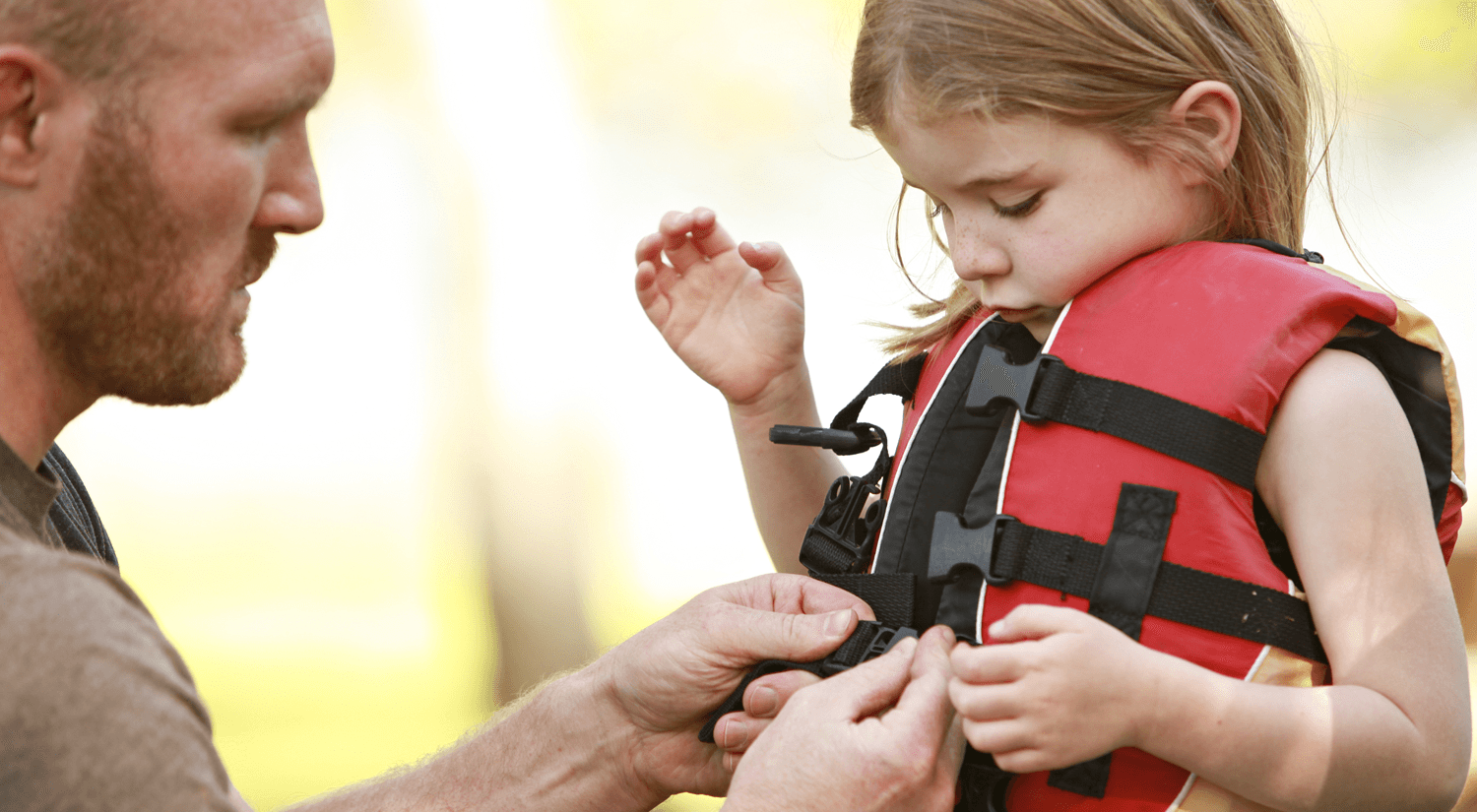
Swimming season is here, and while it’s a perfect time to get out and enjoy the water, it’s also important to know how to keep your family safe.
Drowning is silent and can happen in seconds. Emergency visits for water-related accidents and drowning often increase during summer months, when more people spend time in and around water. Drowning is a leading cause of death in children ages one to four—but it is highly preventable.
Before you head to the river, lake or pool, review these essential water safety tips to protect yourself and your loved ones.
Learn Basic Swimming and Water Safety Skills
Formal swimming lessons can reduce the risk of drowning. Ensure that everyone in your family knows how to swim well. Children who have had swimming lessons still need close, constant supervision when in or around water. Check online for available swimming classes in your area.
Wear a Life Jacket
Life jackets can prevent drowning while boating for people of all ages and swimming abilities. Children and adults should wear a properly fitted life jacket for all activities in and around natural water. Do not rely on air-filled or foam toys, or paddleboards, as these are not safety devices.
Know the Risks of Natural Waters
Lakes, rivers and oceans have hidden hazards such as dangerous currents, cold water, rocks, vegetation and limited visibility. Always check the weather and water conditions before heading out and be aware that conditions can change rapidly.
Supervise Closely
Designate a responsible adult to supervise children when in or near water, even when lifeguards are present. Adults supervising children should avoid distractions such as phones, reading or alcohol.
After swim time is over, shut and lock doors that give access to water and remove all toys or objects that could attract children.
Learn CPR
CPR skills could save someone's life in the time it takes for paramedics to arrive. Many organizations such as American Red Cross and American Heart Association offer CPR training courses, both online and in-person. Check with your provider or local community center about CPR training in your area.
Use the Buddy System
Always swim with a buddy, even if you are a strong swimmer. Choose swimming locations that have lifeguards when possible. The buddy system is especially important for people with medical conditions that may increase their risk of drowning.
Install Pool Fencing to Protect Children
At home, construct a four-sided fence at least four feet high that fully encloses the pool and separates it from the house. Gates should be self-closing and self-latching.
Avoid Alcohol
Avoid drinking alcohol before or during swimming, boating or other water activities. Alcohol impairs judgment, balance and coordination. Never drink alcohol while supervising children.
Consider the Effects of Medications
Some medications affect balance, coordination or judgment. If you are taking a medication with any of these side effects, avoid swimming or use extra caution around water.
Do Not Hyperventilate Before Swimming or Hold Your Breath for a Long Time
Hyperventilating before swimming or trying to breathe underwater for too long can cause you to pass out and drown. This is sometimes called “shallow water blackout.”
More Swimming Safety Resources
- Water Safety USA is a roundtable of longstanding national nonprofit and governmental organizations with a strong record of providing drowning prevention and water safety programs, including public education.
- Safe Kids Worldwide is a nonprofit organization working to help families and communities keep kids safe from injuries, including drowning.
- The YMCA has a drowning prevention page for tips about how to be safe around water.
- HealthyChildren.org, a website from the American Academy of Pediatrics (AAP), contains helpful information for parents on many topics, including water safety advice. Resources in Spanish are included.
- The Drowning Chain of Survival is comprised of five steps that can help to guide the prevention of drowning, as well as rescue and recovery when a drowning incident occurs.
The American Academy of Pediatrics provides more detailed information about drowning prevention in an AAP Policy Statement.
Source: Drowning Prevention | Centers for Disease Control and Prevention (CDC)