The Hype Around Gut Health
- Category: Gastroenterology Center
- Posted On:
- Written By: Mason Wheatley
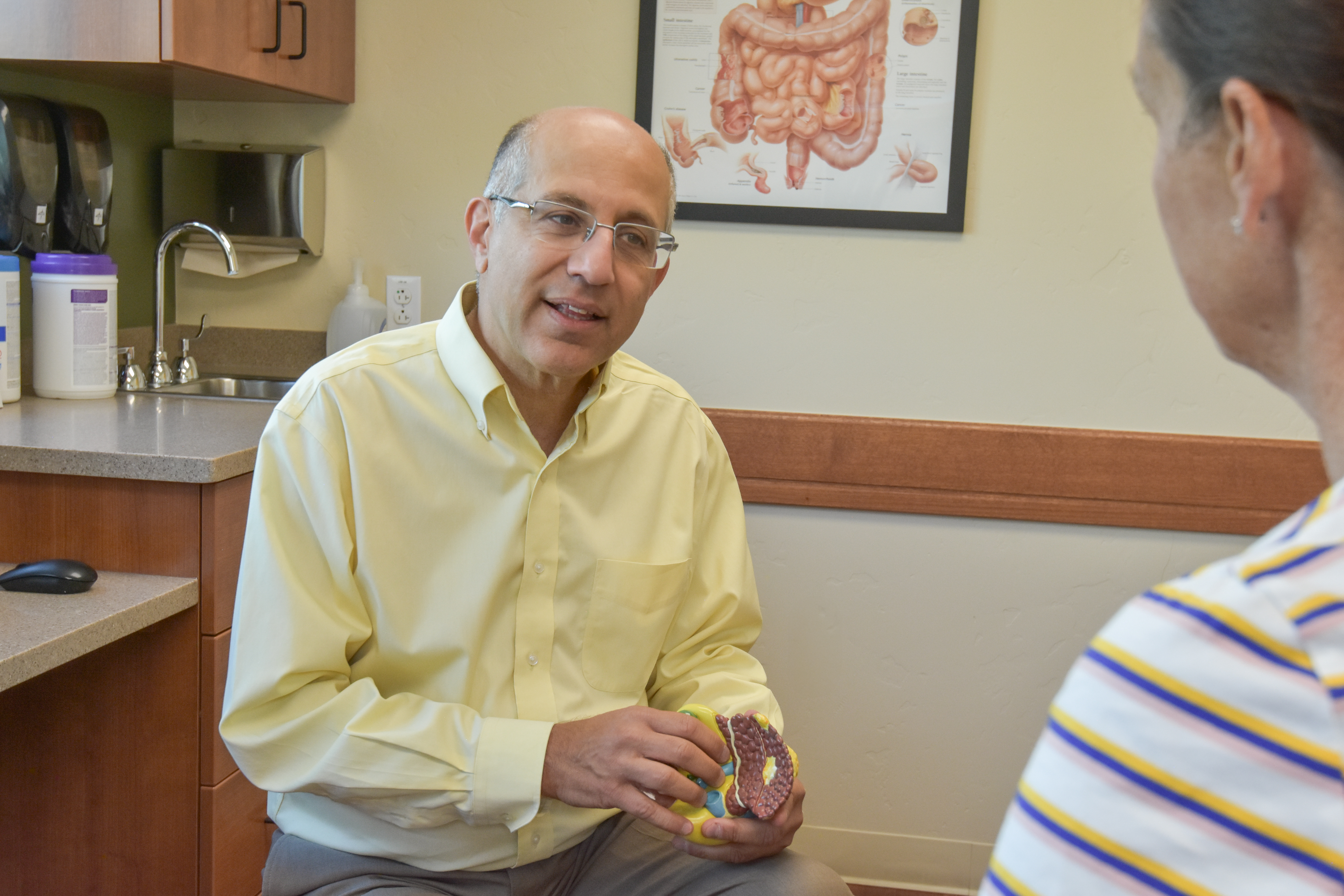
How gut health can support longevity, according to a gastroenterologist
“Gut health” is all the rage these days—and for good reason. The gut microbiome is a vast, complex ecosystem of trillions of microscopic organisms living inside the body. Emerging science continues to reveal the important role gut health plays in overall well-being.
At the same time, growing interest in gut health has fueled a wave of social media trends, influencers and promises of “secret hacks” or “simple tricks” to solve gut issues—often without credible medical expertise to support them. In an era of information overload, maintaining curiosity while practicing critical thinking is essential to making smart and sustainable health decisions based on science, not hype.
In this Valley View University presentation, Bob Etemad, MD, a multi-board-certified interventional endoscopist and gastroenterologist, discusses what we currently know about gut health and explores how the microbiome may help us to lead longer, healthier lives.
Watch the presentation here.
Here are some key takeaways.
Your Very Own Microbiome
The human body hosts more than 100 trillion microbes, all working together, Dr. Etemad says—but there’s no reason for alarm. "The bugs inside you are not all bad,” he reassures.
This diverse community of bacteria, fungi and other microorganisms lives primarily in the digestive tract and plays a critical role in health. Gut microbes break down food, produce essential nutrients and protect us by strengthening our immune system. In fact, much of our immune system lives in the gut, where microbes help the body recognize threats and manage inflammation.
Your gut microbiome is also unique to you. It begins forming at birth and continues to change throughout your life, shaped by diet, lifestyle and environment—making long-term care especially important.
Why Does Microbial Diversity Matter?
Just like nature’s ecosystems—such as a rainforest—microbial diversity creates resilience. While we’re still learning what a healthy gut looks like, evidence suggests that having a diverse and balanced microbiome is crucial to longevity.
Dysbiosis refers to an imbalanced or unhealthy gut microbiome, characterized by less diversity, fewer helpful bacteria and an overgrowth of more harmful bacteria. Dysbiosis has been associated with a variety of digestive issues, chronic diseases and impaired immune function.
Diet is one of the most important factors known to influence microbiomes. A diet low in fiber and high in sugar and ultra-processed foods can lead to a decline in microbial diversity. Think of it this way: What you eat is what the microbes will eat, so make sure you feed them well.
Other factors like unnecessary antibiotic use, chronic stress and environmental toxins can also contribute to microbiome imbalance.
How Can I Improve My Gut Health?
There are many evidence-based steps you can take to improve your gut health for overall well-being. These include:
- Eat a fiber-rich diet. Fiber is the primary fuel for beneficial gut bacteria.Vegetables, legumes, fruits, oats and barley are great sources.
- Incorporate fermented foods. Foods with live cultures—such as yogurt, kefir, sauerkraut, kimchi, miso and tempeh— can support microbiome diversity and gut function.
- Avoid ultra-processed foods. These foods may disrupt microbial balance and are linked to disease. Focus on eating whole or minimally processed foods.
- Use antibiotics only when necessary. Antibiotics can dramatically reduce microbial diversity. Recovery of microbes may take months or longer, and some species never return. Avoid unnecessary prescriptions and always complete prescribed courses as directed.
- Exercise regularly. Physical activity is associated with increased microbial diversity and improved metabolism.
- Manage stress and get adequate sleep. Your gut and your brain are closely connected. This two-way communication—often called the gut-brain connection— means that how you feel emotionally and how well you sleep can directly affect your digestive health. Managing stress and getting consistent sleep are key parts of maintaining a healthy microbiome.
Trust Your Gut: Maintain a Critical Mindset
While gut health is a promising and rapidly evolving area of research, it’s important to be cautious of quick fixes, buzzwords and sweeping claims you see online. The gut microbiome is highly complex, and unproven medical advice, unregulated supplements or extreme dietary approaches may do more harm than good.
“I encourage everyone to be thoughtful, because we’re still learning a great deal about gut health,” Dr. Etemad says.
Science is not a fixed set of facts—it’s an ongoing process of research, testing and revision. Relying on the most current, reputable information helps ensure decisions around health are based on the strongest possible evidence rather than outdated assumptions or popular trends. This is especially important in areas like nutrition and gut health, where misinformation can spread quickly.
Maintaining a critical mindset, questioning broad claims and seeking guidance from qualified medical professionals can help support long-term health and safety.
When Should I See a Doctor for My Gut?
Digestive symptoms can have many causes, some of which need medical care. If you’re experiencing gut issues, don’t self-diagnose. Start by talking with your primary care provider, who can guide next steps or refer you to a gastroenterologist if needed.
Identifying and treating digestive problems early helps prevent bigger problems and protect long-term health. To get in touch with the Gastroenterology Center, call 970.384.7510 or visit https://www.vvh.org/gastroenterology-center/