Can PRP Injections Help You Avoid Surgery for Sports Injuries?
- Category: ValleyOrtho
- Posted On:
- Written By: Mason Wheatley
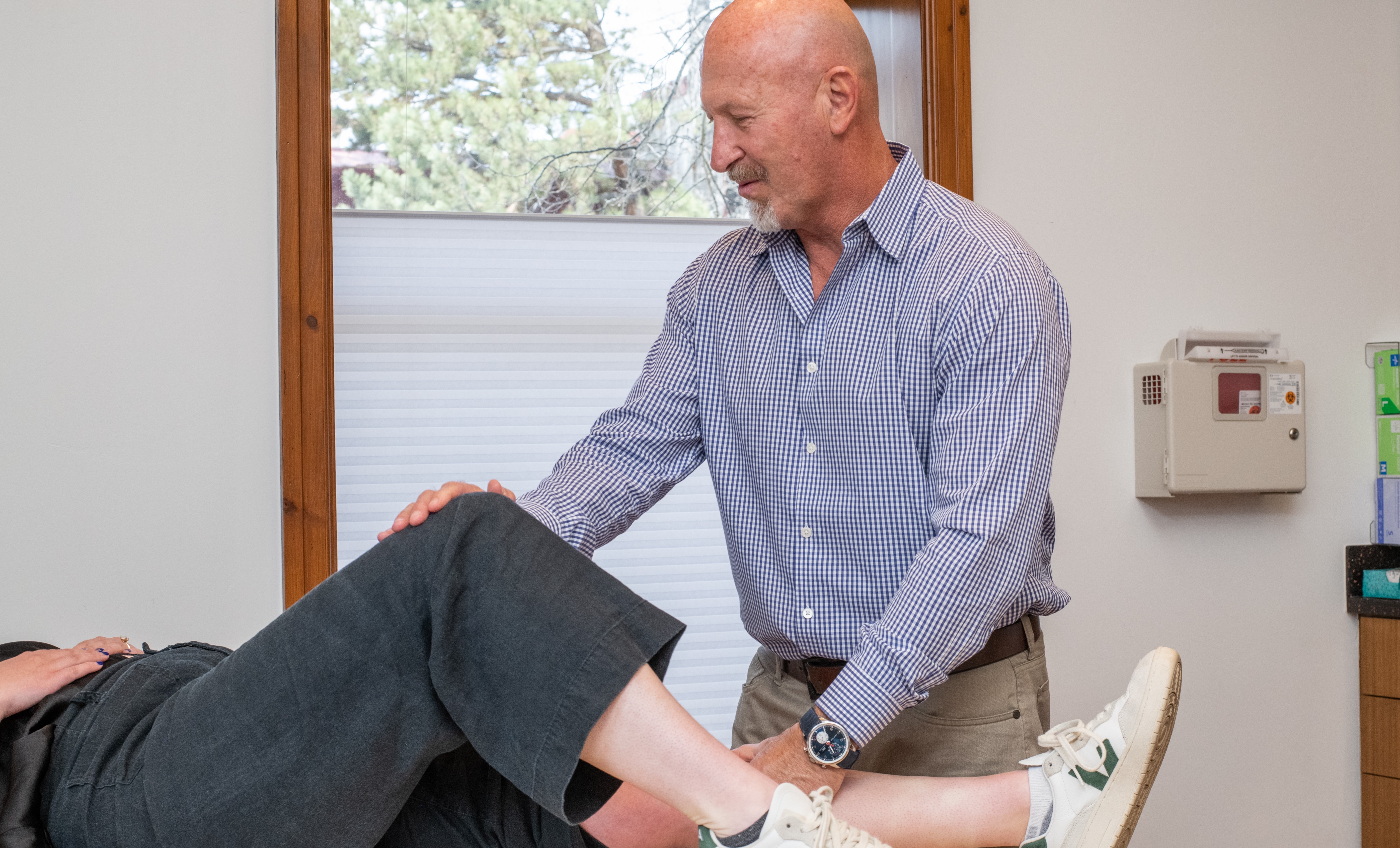
Whether you’re competitive or an everyday athlete, sports injuries can be frustrating and disruptive to daily life. Unfortunately, injuries happen, and when surgery enters the conversation, it’s natural to wonder if there are less invasive options that can still support healing and get you back to activity.
Platelet-rich plasma (PRP) therapy has emerged as a promising nonsurgical treatment for a range of orthopedic and sports-related injuries. Supported by a growing body of research, this innovative approach is part of ValleyOrtho's comprehensive approach to helping athletes recover faster and find lasting relief.
With expert insight from Tomas Pevny, MD, orthopedic surgeon and sports medicine physician at ValleyOrtho, here’s what athletes should know about PRP therapy — and when it may help delay or avoid surgery altogether.
What is PRP Therapy and How Does It Work?
Platelet-rich plasma is a concentrated portion of your blood that contains a higher-than-average level of platelets. Platelets are best known for helping blood clot, but they also play an important role by releasing growth factors, the proteins that reduce inflammation and support tissue repair in the body.
PRP therapy harnesses the regenerative power of these platelets to treat injuries. It’s an orthobiologic treatment that uses substances naturally found in the body, making it generally safe with minimal side effects.
To create PRP, a small sample of your blood is drawn and placed in a centrifuge — a machine that spins the blood to separate the platelet-rich plasma from other blood components. Then, the concentrated PRP solution is carefully injected directly into the injured area to stimulate the body’s natural healing process.
This approach sets PRP therapy apart from other injections like corticosteroids, which are typically used for short-term pain relief rather than tissue repair.
“By injecting PRP, we’re essentially signaling the body to focus on healing the problem itself, not just relieving the symptoms,” Dr. Pevny explains.
PRP injections are typically done in-office and take an hour or less, allowing you to go home the same day. Depending on the injury, some patients may benefit from a series of injections spaced out over several weeks.
What kinds of injuries can PRP treat?
PRP therapy can be effective for treating chronic or slow-healing injuries, especially when other treatments like rest and physical therapy alone aren’t providing relief. It is most frequently used to treat tendon and ligament conditions, including:
- Tennis elbow
- Golfer’s elbow
- Patellar tendinopathy (jumper’s knee)
- Achilles tendonitis
- Rotator cuff injuries
- MCL and ankle sprains
- Plantar fasciitis
Growing evidence suggests PRP may also help reduce inflammation and improve function for athletes with early osteoarthritis, including arthritis of the knee, hip and shoulder. Research is ongoing to determine how else PRP therapy can be used.
Benefits of PRP for Athletes
Depending on the condition, PRP therapy may help:
- Reduce pain and inflammation
- Stimulate the body’s natural healing process
- Improve function and movement
- Shorten recovery time compared with surgery
Recovery is typically gradual, occurring over several weeks as healing progresses.
Dr. Pevny adds that PRP therapy works best when combined with healthy habits.
“Eating well, getting good sleep and following a structured physical therapy program will help you get the most out of PRP,” he says.
Can PRP Therapy Replace Surgery for Sports Injuries?
The short answer: It depends on the injury.
PRP therapy can be effective for mild to moderate issues, particularly those involving inflammation or partial tissue damage. However, it won’t repair complete tendon and ligament tears or reverse severe structural damage to joints.
“PRP can lead to great outcomes, but it isn’t a cure-all,” says Dr. Pevny. “For more advanced conditions such as complete ACL tears or severe ‘bone-on-bone’ arthritis, surgery is still the gold standard for treatment.”
In some cases, PRP may also be used before or after surgery to support healing and improve overall outcomes.
The Bottom Line
Every injury is different; that’s why a personalized treatment plan matters. An orthopedic surgeon or sports medicine physician can evaluate your injury, discuss your goals and determine whether PRP, physical therapy, surgery or a combination of treatments is the best approach for you.
ValleyOrtho’s fellowship-trained physicians take a conservative care approach, carefully exploring all appropriate options before recommending surgery.
“If you’re an athlete with a mild to moderate injury and your goal is to reduce pain and support healing so you can get back to activity, PRP therapy is absolutely worth discussing,” Dr. Pevny says.
No matter your condition, seeking care early is key to preventing long-term damage and optimizing recovery. If an injury is impacting your performance or daily life, don’t delay — early treatment will help you get back into action sooner and with confidence.
Ready to Seek Care?
Dr. Pevny is welcoming new patients at ValleyOrtho’s Aspen and Willits locations. He performs surgeries in Basalt and Glenwood Springs.
To learn more or schedule an appointment, visit vvh.org/ValleyOrtho/ or call 970.925.4500.