What Women Should Know about Chest Pain and Heart Health
- Category: Heart Care, Heart and Vascular Center
- Posted On:
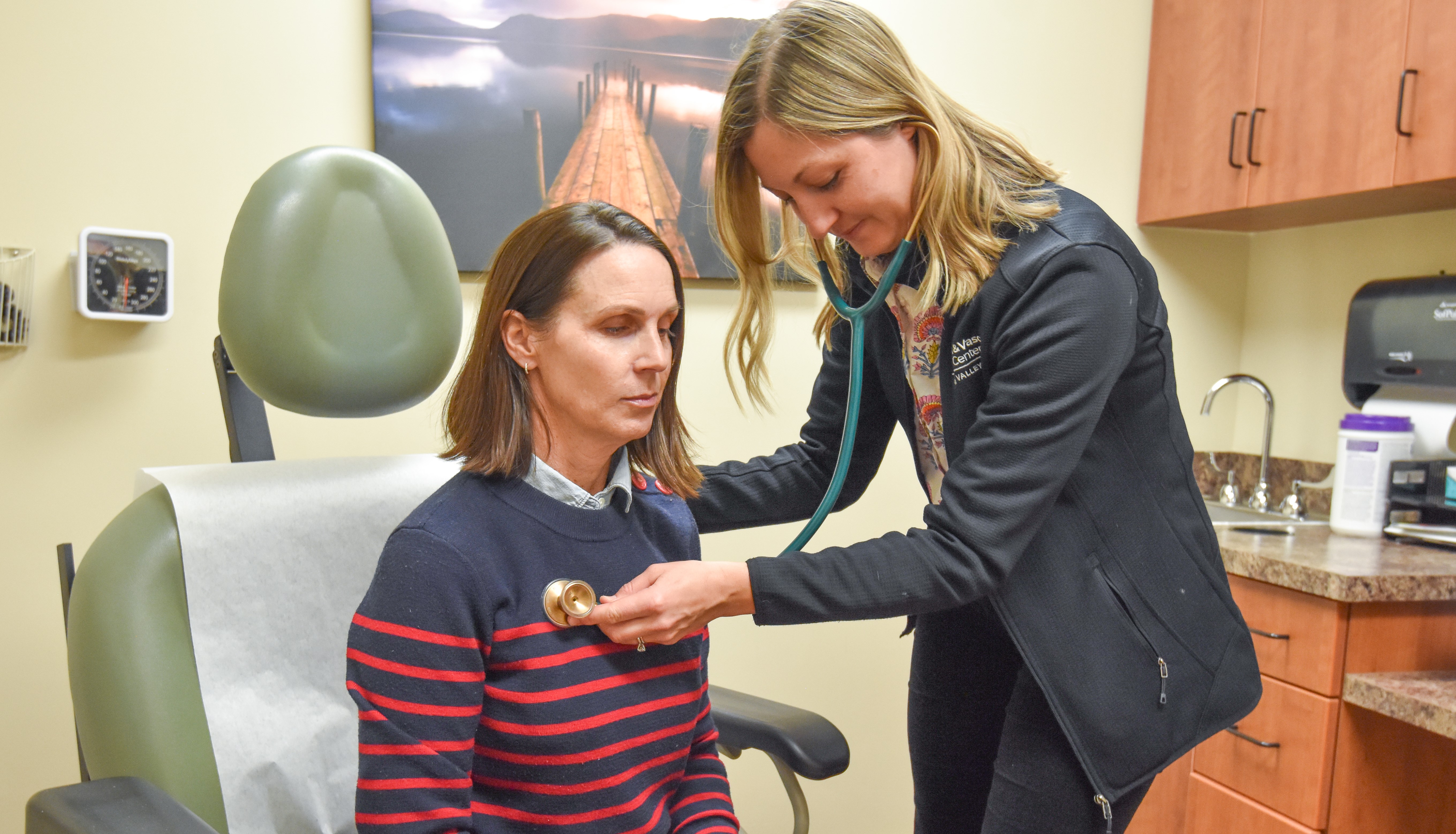
Heart-related chest pain often presents differently in women, which means symptoms may be dismissed or mistaken for something less serious. While chest pain isn’t always a sign of a heart problem, it should never be ignored.
In this Valley View University Women’s Health Series presentation, Sonja Hanson Fauchet, PA-C, a cardiology physician assistant at Valley View Heart & Vascular Center, shares what women need to know about chest pain and their heart, including common symptoms, when to seek care and treatment options.
Watch the full presentation here: Understanding Chest Pain and Heart Failure in Women
Here are some key takeaways.
Acute Coronary Syndrome (Heart Attack)
Heart attacks are one of the most serious causes of chest pain in women, but symptoms often appear differently than they do in men. Women may experience subtle signs that can be easier to overlook.
“Chest pain is the predominant symptom, but women may also experience shortness of breath, nausea, fatigue and pain between the shoulder blades or in their jaw,” Fauchet says.
These symptoms also line up with other issues like anxiety, stress or GERD, which makes it more likely for women to delay seeking care.
If chest pain is new, unusual or persistent, get medical attention right away.
Some Conditions Disproportionately Affect Women
Microvascular Angina
Microvascular angina occurs when the heart’s smallest blood vessels do not function as they should, reducing blood flow to the heart muscle and causing chest pain. It is more common in women, particularly after menopause when estrogen levels decline. Losing estrogen removes a hormone that helps keep blood vessels healthy and flexible.
Microvascular angina can be dangerous, as a lack of oxygen-rich blood flow can cause heart damage.
Diastolic Heart Failure (HFpEF)
Diastolic heart failure occurs when the heart muscle becomes stiff and cannot relax between beats. The heart pumps normally, but it does not fill with enough blood, reducing the amount of blood the body receives. Diastolic heart failure is also more common in women after menopause.
Diastolic heart failure is dangerous because the heart can’t pump enough blood to meet the body’s needs, increasing the risk of serious complications such as atrial fibrillation, kidney disease and stroke.
Prevention is the Best Medicine
Prevention remains the best tool for long-term heart health. Eating a balanced diet, staying active, avoiding tobacco and keeping up with regular primary care checkups all lower risk.
Chronic heart conditions like microvascular angina and diastolic heart failure cannot be cured, but they can be managed with lifestyle changes and medications. The goal of treatment is to reduce symptoms and get patients back to the activities they enjoy, Fauchet says.
When to Seek Care
Seek immediate care if you experience:
- New, unusual or persistent chest pain
- Pain in the jaw, neck, arms or back
- Shortness of breath, nausea or fatigue
- Dizziness or lightheadedness
About the Valley View Heart & Vascular Center
The Valley View Heart & Vascular Center is a regional leader in cardiovascular medicine. With locations in Glenwood Springs and Grand Junction, as well as six outreach clinics across Western Colorado, our providers are committed to delivering world-class care close to home.
Sonja Hanson Fauchet is currently seeing patients in Glenwood Springs. To learn more, visit https://www.vvh.org/heart-vascular-center/ or call 970.384.7290.