Want to Prevent Stroke? Start With Your Heart Health
- Category: Heart Care, Heart and Vascular Center
- Posted On:
- Written By: Mason Wheatley
As the saying goes, “What’s good for the heart is good for the head”—and the science backs it up.
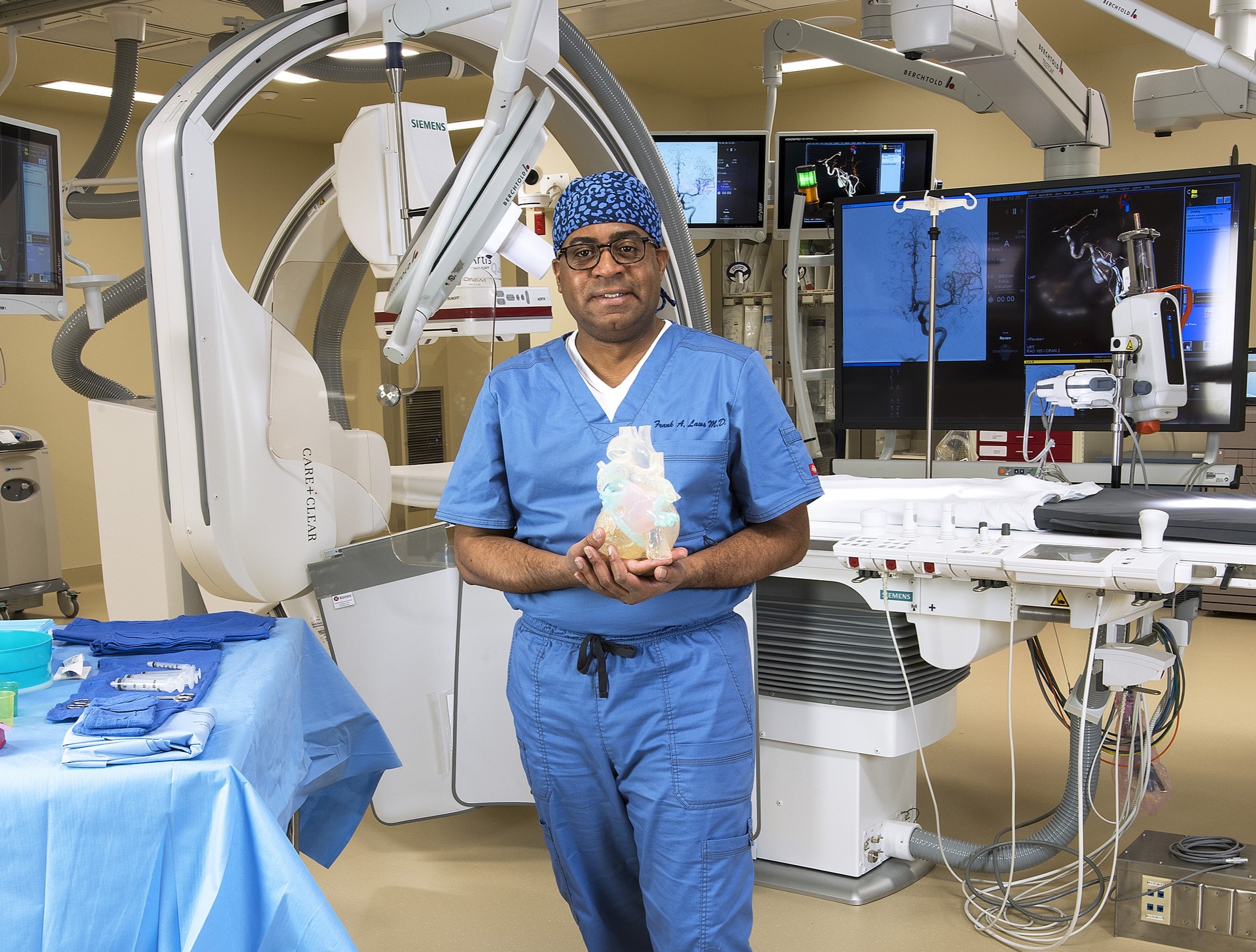
Heart disease and stroke are two of the leading causes of death and long-term disability in the U.S. While one affects the heart and the other the brain, the two are closely connected through cardiovascular health. The encouraging news is that many risk factors for heart disease and stroke are preventable, according to Frank A. Laws, MD, FACC, electrophysiologist and interventional cardiologist with the Valley View Heart & Vascular Center.
“The heart and the brain rely on the same blood vessels, so the healthy habits that protect your heart also protect your brain and lower stroke risk,” says Dr. Laws.
Heart Disease vs. Stroke: Same System, Different Organs
Heart disease and stroke share an important similarity: both are caused by problems with blood flow. The key difference lies in where the damage occurs.
Heart disease is not one but a group of conditions that affect the heart, often caused by cholesterol plaque buildup in the arteries. Over time, this buildup can restrict blood flow, damage the heart and increase risk of heart attack and stroke.
Stroke occurs when blood flow to the brain is interrupted, either by a blood clot or ruptured blood vessel. Without oxygen-rich blood, brain cells begin to die within minutes. Stroke damage can be permanent and may affect movement, speech, memory—or even be fatal.
What are the Shared Risk Factors for Heart Disease and Stroke?
Because both conditions stem from cardiovascular health, they share many of the same risk factors, including:
- Smoking
- Diabetes
- Obesity
- High blood pressure
- High cholesterol
- A sedentary lifestyle
- Atrial Fibrillation (AFib)
- Sleep apnea
Having heart disease can raise your risk of stroke—and vice versa. One of the most important connections between the two is atrial fibrillation, commonly known as AFib.
Why AFib Significantly Increases Stroke Risk
AFib is the heart condition most closely linked to stroke. It is an irregular heart rhythm that prevents the heart from pumping blood efficiently. When blood doesn’t flow smoothly, clots can form, which can travel to the brain and cause a stroke.
People with AFib have a significantly higher risk of stroke than those without it, and AFib-related strokes are often more severe. Fortunately, AFib is highly manageable. With proper diagnosis and the right treatment, many people can reduce stroke risk and protect both heart and brain health.
Younger Adults Are at Risk of Stroke, Too
Stroke is typically associated with older adults, but the truth is that they can happen to anyone at any time. This can be especially dangerous, as young people might not recognize symptoms or dismiss warning signs as minor.
“No one is immune to stroke,” says Dr. Laws. “We’re seeing more risk factors in younger people today, but being young offers a powerful opportunity to lower risk by making healthy choices now.”
What You Can Do to Lower Your Risk
While age and family history play a role, many risk factors for heart disease and stroke are within your control.
Key steps include:
- Eating a nutritious, balanced diet
- Keeping blood pressure under control
- Managing cholesterol levels
- Staying physically active
- Avoiding smoking and vaping
- Knowing your family history
- Managing stress
- Getting adequate sleep
- Checking in regularly with your primary care provider
“Lifestyle changes don’t always need to be dramatic,” Dr. Laws emphasizes. “The goal isn’t perfection, it’s consistency. Small, steady changes are often the most sustainable and effective over time.”
BE FAST: Know the Warning Signs of Stroke
When it comes to stroke, every minute counts. Memorize the acronym B.E. F.A.S.T. to recognize the warning signs of stroke and call 911 immediately if you or someone else is experiencing any of these symptoms.
B—Balance problems
E—Eye (vision loss)
F—Face drooping
A—Arm weakness
S—Speech difficulty
T—Time to call 911
Why Prevention Matters Most
Knowing how to respond during a stroke is critical—but long before that moment, prevention plays the most important role.
“I’m a strong advocate for preventive care,” says Dr. Laws. “It’s far easier to prevent cardiovascular disease through healthy choices than it is to treat it after a diagnosis.”
Regular checkups with your primary care provider are an essential part of prevention. Your provider can monitor risk factors, spot concerns early and connect you with specialized heart and vascular care when needed.
If you’re concerned about your heart health or experiencing any unusual symptoms, don’t wait—schedule a visit with your primary care provider.
To learn more about the Heart & Vascular Center or schedule an appointment, visit https://www.vvh.org/heart-vascular-center/ or call 970.384.7290