Mammograms Are Simpler Than You May Think
- Category: Primary Care, Imaging
- Posted On:
- Written By: Valley View Imaging
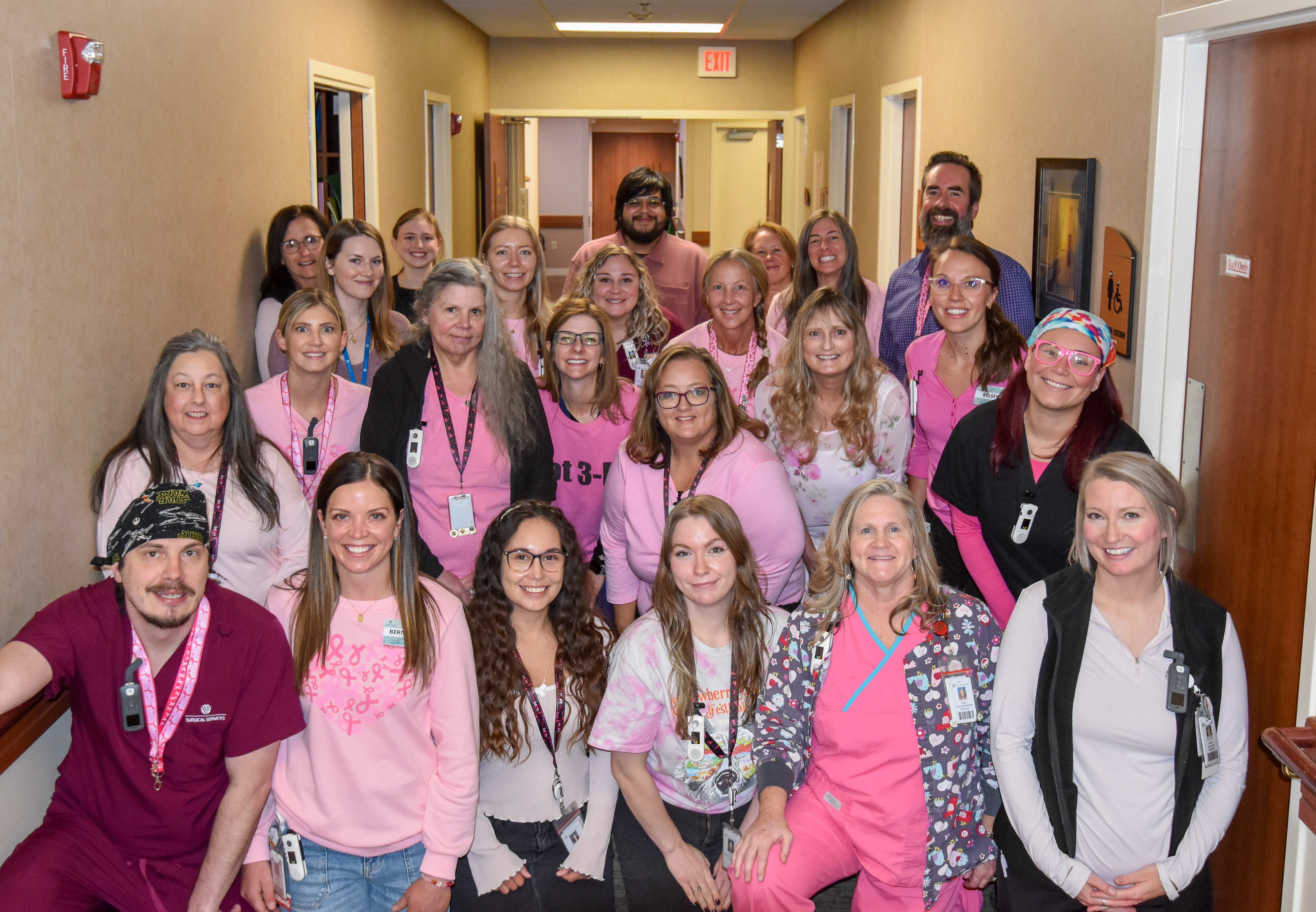
The Valley View Imaging team combines advanced technology with compassionate care to deliver accurate results and a comfortable screening experience.
Mammograms save lives — this is a message heard often, especially during Breast Cancer Awareness Month. It’s true: they are the most effective screening tool we have for detecting breast cancer early.
Yet mammograms remain a commonly missed women’s health screening.
It’s not because those women don’t care about their health. For many, it comes down to finding the time, knowing where and when to start screening, or feeling uncertain or worried about the process itself.
That’s why we’re coming to women with a different message this October: Getting your mammogram is simpler and more convenient than you might think. If you’ve been putting off your appointment, here’s what you should know.
Mammograms 101
A mammogram is an X-ray image of the breast used to look for early signs of cancer, often before symptoms appear. During the exam, each breast is quickly compressed by the imaging machine to capture the clearest image of the breast tissue possible. These appointments are generally quick, usually taking no more than 30 minutes.
Mammograms have been standard practice for about 50 years; as a result, expectations about the experience may be shaped by old stories passed down from previous generations. But technology, expertise and patient comfort have all advanced significantly. Mammograms today are far different from what many of our mothers or grandmothers may remember.
Today’s 3D mammography allows us to quickly capture multiple, high-quality images at once, giving radiologists a more complete view of your breast health while helping make the experience as comfortable and efficient as possible. While those few seconds of compression aren’t exactly pleasant, they provide important information about your health — and it’s over before you know it.
Screening guidelines have been inconsistent over time, which can make it confusing to know when to start. For most women, screening is generally recommended starting at age 40, but the best place to start is a conversation with your primary care provider. They can help you understand your personal factors and decide when screening makes sense for you.
A Roadmap of Your Health
Getting your first mammogram is essential, but keeping up to date with scheduled screenings is what really makes a difference. By collecting and comparing images from year to year, mammograms give us the ability to know what is normal for you and detect even the smallest changes over time. This allows us to catch issues early, when they are most treatable.
You might wonder, “What if they find something?” That’s a completely understandable feeling. But a more helpful way to think about mammograms is that they provide knowledge and clarity about your health, rather than leaving you wondering “what if.” If any follow-up is needed, your health care team is there to guide you through those next steps. You won’t have to navigate those decisions alone.
Schedule Your Mammogram
Ask your primary care provider about scheduling a mammogram at your next checkup. Visit https://www.vvh.org/services/primary-care/.
Don’t have a provider? Schedule directly with Valley View Imaging at vvh.org/imaging or 970.384.7640.
Talk to your provider if you notice a change in your breasts, such as a lump, skin changes, nipple discharge or pain that doesn’t go away.
Originally published by Sol del Valle on October 2, 2026.